DEWA’s Expanding EV Network Signals Dubai’s Commitment to Clean Transport Infrastructure

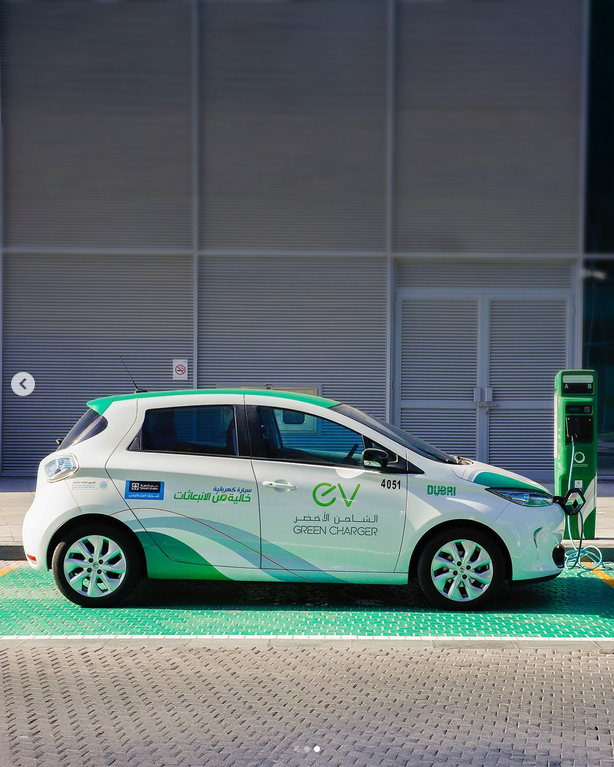
The Dubai Electricity and Water Authority (DEWA) has announced the expansion of its EV Green Charger network, emphasizing the emirate’s commitment to sustainable mobility and reducing greenhouse gas emissions. The initiative now boasts more than 1,860 charging points across Dubai, helping to support a growing fleet of electric vehicles and strengthen the city’s leadership in green mobility.
Since the initial launch, which occurred in 2012, the project has developed into one of the most extensive EV charging networks in the area. DEWA estimates that charging activity increased significantly in 2025 compared to 2024, indicating that EV adoption is growing in Dubai. More than 55,200 megawatt hours (MWh) of electricity have been provided by the Green Charger network since its inception, allowing over 276 million kilometers of EV travel via a variety of wall-box, public, ultra-fast, and rapid chargers.
Strategic alliances with contractors, consultants, and real estate developers who have adopted Dubai's Regulatory Framework for EV Charging Infrastructure, unveiled in October 2024, are supporting the expansion. To ensure accessibility and convenience for both enterprises and residents, this framework sets specific requirements for installing charging stations in new buildings.
Saeed Mohammed Al Tayer, MD & CEO of DEWA, emphasized the broader vision: “Our Green Charger initiative is a cornerstone of Dubai’s clean energy strategy. By expanding the network, we are accelerating the shift to sustainable mobility and supporting the UAE’s Net Zero 2050 target.”
In order to satisfy the demand from drivers around the emirate, DEWA has also linked contracts with the Emirates National Oil Company (ENOC) to add more fast-charging stations at service stations. These collaborations are seen as essential to supporting Dubai's shift to low-emission transportation, which aligns with the Dubai Green Mobility Strategy 2030 and the UAE Net Zero 2050 Strategy.